

In today's fast-paced world, food packaging boxes are often overlooked. However, they play a crucial role in various aspects of our lives, from protecting food to promoting sustainability and enhancing brand image. This article explores the multifaceted ways in which a food box can make a significant difference.
1. Protecting Food Quality and Safety
4. Facilitating Convenience in the Food Industry
5. Meeting Regulatory Requirements
6. Innovation in Food Box Design
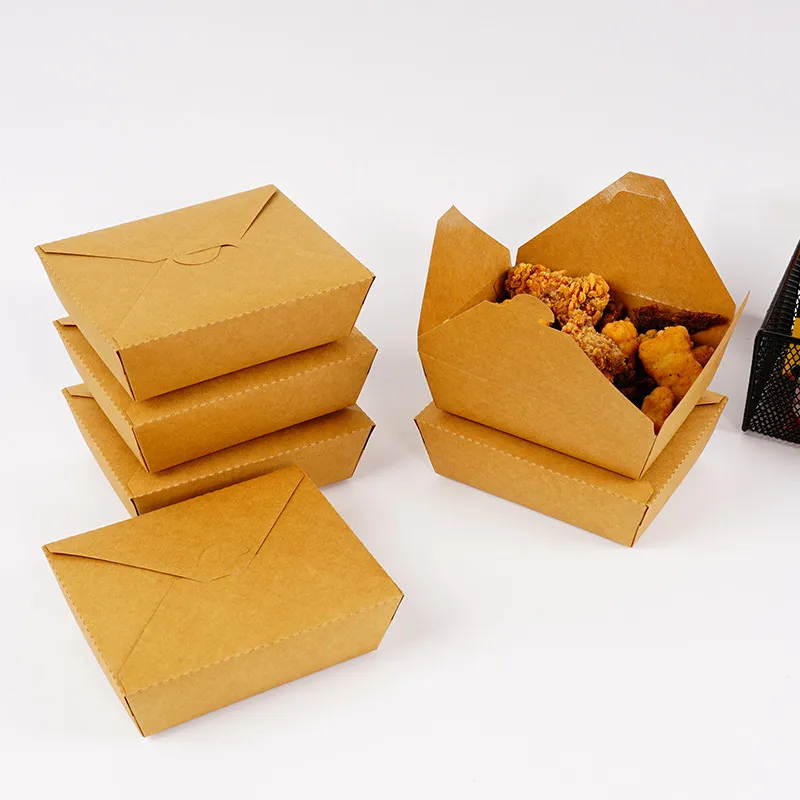
Protecting Food Quality and Safety
One of the primary functions of a food box is to safeguard the quality and safety of the food it contains. Food is highly perishable, and factors such as moisture, oxygen, light, and temperature can all affect its freshness and edibility. A well-designed food box acts as a barrier against these external elements.
For example, many food boxes are made with materials that are resistant to moisture. This is especially important for products like baked goods, which can quickly become stale if exposed to humidity. By keeping moisture out, the food box helps to maintain the texture and flavor of the baked goods for a longer period. Similarly, boxes that are opaque or have special coatings can protect food from light, which can cause spoilage and nutrient degradation in some products, such as dairy items.
In terms of safety, food boxes also prevent cross - contamination. When different food items are stored or transported together, there is a risk of bacteria or other contaminants spreading from one product to another. Food boxes with proper sealing mechanisms and individual compartments help to isolate each food item, reducing the risk of cross - contamination. This is particularly crucial in the case of ready - to - eat foods and those that require strict hygiene standards, like sushi or sandwiches.
In recent years, environmental concerns have become increasingly prominent, and the packaging industry has come under scrutiny for its impact on the planet. Food boxes, however, have the potential to be part of the solution rather than the problem.
Many food packaging companies, such as HaoQian Packaging, are now focusing on using sustainable materials. These include recycled cardboard, biodegradable plastics, and compostable materials. Recycled cardboard is made from post - consumer waste paper, reducing the need for virgin wood pulp and thus conserving forests. Biodegradable plastics, on the other hand, break down naturally over time, reducing the amount of plastic waste that ends up in landfills or oceans. Compostable materials can be turned into nutrient - rich soil, closing the loop in the waste management cycle.
In addition to using sustainable materials, food box design is also evolving to reduce waste. Minimalist designs that use less material while still providing adequate protection are becoming more popular. Some food boxes are also designed to be easily disassembled or flattened, making them more convenient to recycle or store. For instance, certain pizza boxes are now made with perforations that allow them to be folded into smaller, more manageable shapes for recycling.
Moreover, the use of food boxes can actually reduce food waste. By protecting food and extending its shelf life, fewer products end up being discarded due to spoilage. This not only saves resources but also reduces the environmental impact associated with producing and disposing of wasted food.
A food box is not just a container; it is also a powerful marketing tool. In a highly competitive food market, a well - designed food box can help a brand stand out from the crowd and build a strong brand image.
The visual appeal of a food box is crucial. The colors, graphics, and typography used on the box can convey the brand's personality and values. For example, a brand that focuses on healthy, organic food may use earthy tones, natural - looking illustrations, and clean typography on its food boxes to communicate its commitment to quality and sustainability. On the other hand, a brand targeting children may use bright, bold colors and fun, cartoon - like graphics to attract young consumers.
The box can also tell a story about the brand. It can include information about the brand's history, its sourcing practices, or its unique selling points. This helps to engage consumers on a deeper level and build trust. For instance, a coffee brand may print details about the origin of its beans, the roasting process, and its fair - trade practices on its coffee boxes. This not only educates consumers but also differentiates the brand from its competitors.
In addition, the functionality of the food box can enhance the brand experience. Easy - to - open and resealable boxes, for example, provide convenience to consumers. A brand that invests in such user - friendly designs shows that it cares about the customer experience, which can lead to increased customer loyalty.
Facilitating Convenience in the Food Industry
Food boxes are essential for the smooth operation of the food industry, from production and distribution to consumption.
In the production phase, food boxes make it easier to package and label products. They provide a standardized size and shape, which simplifies the packaging process and ensures consistency. This is particularly important for large - scale food manufacturers, where efficiency and uniformity are key.
During distribution, food boxes protect products during transportation. They are designed to be stackable, which maximizes space in trucks, warehouses, and retail stores. This not only reduces transportation costs but also helps to ensure that food products reach consumers in good condition.
For consumers, food boxes offer convenience. They make it easy to carry and store food. Take - out food boxes, for example, are designed to be portable and leak - proof, allowing people to enjoy their meals on the go. Some food boxes also come with features like built - in utensils or compartments for condiments, further enhancing the convenience factor.
Meeting Regulatory Requirements
The food industry is heavily regulated to ensure the safety and quality of food products. Food boxes play a vital role in helping food manufacturers meet these regulatory requirements.
Food boxes must be labeled correctly with important information such as the ingredients list, nutritional information, allergen warnings, and expiration dates. This information is crucial for consumers, especially those with dietary restrictions or health concerns. A well - designed food box provides enough space to display all this information clearly and legibly.
In addition, food boxes must meet certain safety standards. The materials used in their construction must be non - toxic and food - grade. They must also be able to withstand the rigors of storage and transportation without contaminating the food inside. Food packaging companies like HaoQian Packaging are well - versed in these regulations and ensure that their food boxes comply with all relevant standards.
Innovation in Food Box Design
The field of food box design is constantly evolving, with new innovations being introduced to address various challenges and opportunities.
One area of innovation is in the development of smart food boxes. These boxes are equipped with sensors that can monitor factors such as temperature, humidity, and the presence of harmful gases. For example, a smart food box for fresh meat could alert the consumer or the retailer if the temperature inside the box rises above a certain level, indicating a potential risk of spoilage. This technology not only helps to ensure food safety but also provides consumers with real - time information about the quality of the food they are purchasing.
Another innovation is in the use of interactive elements on food boxes. Some food boxes now feature augmented reality (AR) or quick response (QR) codes. By scanning a QR code with their smartphones, consumers can access additional information about the product, such as recipes, cooking instructions, or behind - the - scenes videos of the production process. AR technology can bring the food box to life, creating an engaging and immersive experience for consumers.
In conclusion, a food box is far more than a simple container. It is a complex and versatile solution that impacts our lives in numerous ways. From protecting food quality and safety to promoting sustainability, enhancing brand image, facilitating convenience, meeting regulatory requirements, and driving innovation, the humble food box has the power to make a real difference. As consumers become more environmentally conscious and demanding in terms of food quality and brand experience, the role of the food box in the food industry will only become more important. Companies like HaoQian Packaging are at the forefront of this evolution, continuously innovating and improving food box designs to meet the changing needs of the market.